Bitcoin & crypto essentials
Terminology, network basics, wallets, transactions, research habits, and market risk.
Crypto education, connected
CourseChain connects Bitcoin, blockchain, wallets, market risk, and career skills into one clear learning route—so you can understand the technology before making financial decisions.
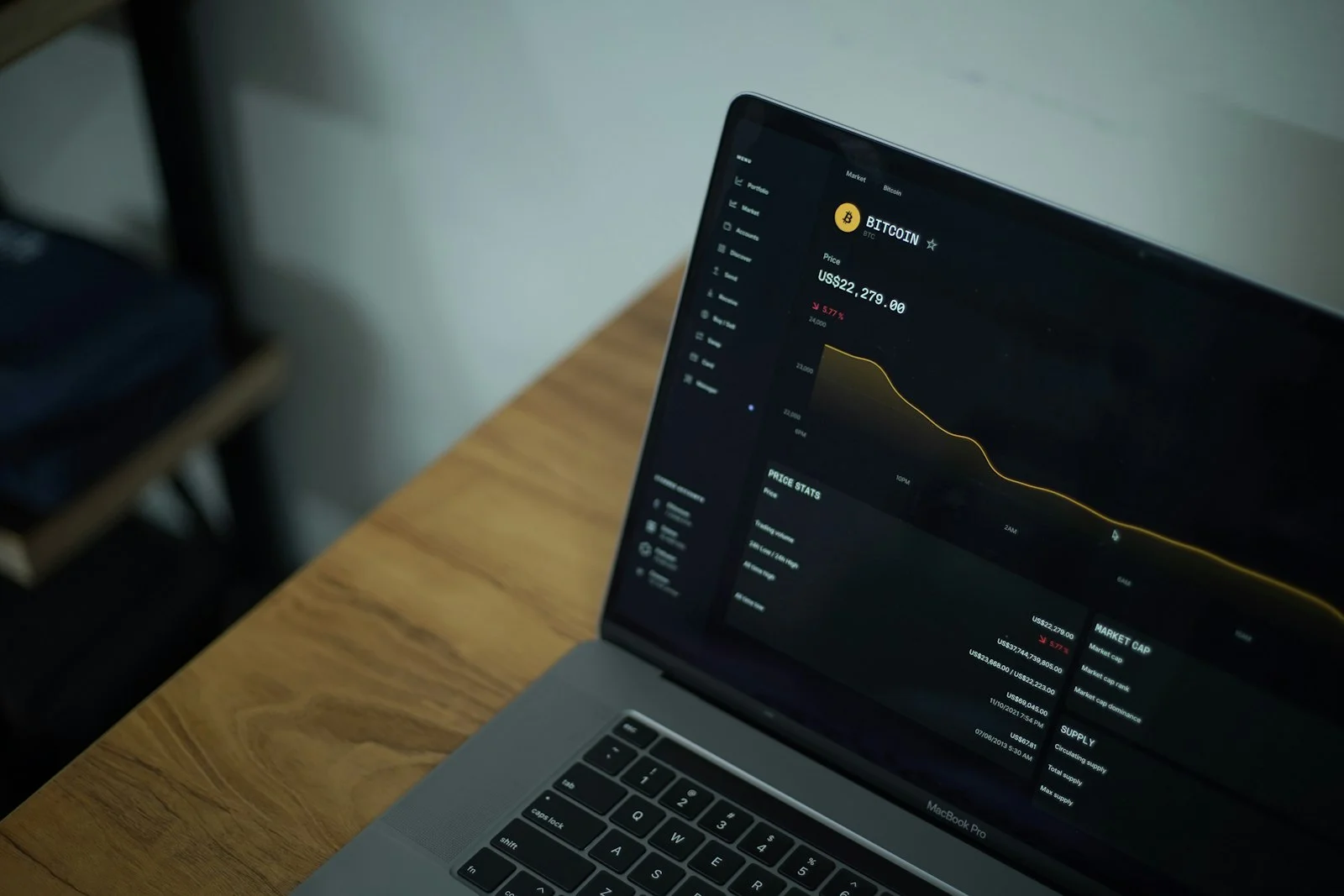
Choose your entry point
You do not need to learn everything at once. Choose the question closest to your goal, then follow the concepts in sequence.
Learn what Bitcoin, crypto, blockchains, and digital wallets actually are.
Begin with Bitcoin → ROUTE 02Understand custody, recovery phrases, transaction checks, and common scams.
Study wallet safety → ROUTE 03Explore consensus, smart contracts, network design, and development.
See how chains work → ROUTE 04Connect crypto knowledge to established roles in technology and finance.
Explore career paths →
The foundation
Bitcoin is a digital asset and an open payment network. Its transaction history is maintained by independent computers following shared rules, rather than by one bank updating a private ledger.
Cryptocurrency is the wider category of digital assets that use cryptography and blockchain-style networks. Different assets have different purposes, trade-offs, governance models, and risks. A token’s existence does not make it valuable or safe.
The original network and protocol for transferring BTC without a central operator.
The native digital asset recorded and transferred on the Bitcoin network.
A shared record of ordered transactions secured by network participants.
Software or hardware used to manage the keys that authorize transactions.
Core curriculum
A useful course connects concepts to real decisions. These six topics form a practical foundation for deeper study.
Separate payment networks, smart-contract platforms, stablecoins, utility tokens, and speculative assets.
Understand addresses, confirmations, network fees, block explorers, and irreversible transfers.
Compare custodial, software, and hardware wallets; learn why recovery phrases require offline backup.
Review purpose, supply, leadership, code, adoption, liquidity, security history, and warning signs.
See how liquidity, leverage, sentiment, regulation, and market cycles can amplify price changes.
Learn how programmable networks support tokens, exchanges, lending tools, and applications.
Risk before reward
There is no guaranteed return and no course can remove market risk. Build an emergency fund, understand the product, and consider independent professional advice before significant financial decisions.
Prices can rise or fall sharply over very short periods.
Lost keys, poor backups, or a failed service can make assets inaccessible.
Impersonation, fake giveaways, phishing, and guaranteed-return claims are common.
Rules and tax treatment vary by location and may change.
Learning pathways
Choose based on the skills you want to build. These paths do not promise accreditation, employment, or financial performance.
Terminology, network basics, wallets, transactions, research habits, and market risk.
Keys, backups, signing, phishing defense, hardware devices, and operational security.
Distributed systems, smart contracts, testing, web interfaces, and security fundamentals.
Use cases, governance, compliance context, risk frameworks, and business evaluation.
A safer starting sequence
There is no perfectly safe investment, but a deliberate process can reduce avoidable mistakes.
Know whether you are learning, testing a tool, making a payment, or accepting market risk.
Use multiple reliable sources rather than one influencer, ad, message, or chart.
Use unique passwords, strong multi-factor authentication, and verified URLs.
Confirm the asset, address, network, and fee before sending a small test.
Document transactions and consult the tax or legal rules in your location.
Skills beyond speculation
Digital-asset knowledge can complement established disciplines. Employers usually value proven fundamentals, project work, judgment, and communication—not hype.
Builds interfaces, integrations, wallets, data tools, and distributed applications.
↗Assesses software, account controls, custody processes, infrastructure, and incident risk.
↗Researches markets, business models, financial statements, valuation, and portfolio risk.
↗Helps organizations understand policy, controls, reporting, and regulatory obligations.
↗Frequently asked
Start here, then continue with the learning route that matches your goal.
No. Education can improve understanding and help you recognize risks, but it cannot predict markets or guarantee returns.
No. You can study the protocol, inspect public transactions, compare wallets, and learn security practices without buying any asset.
Begin with the difference between a network, an asset, an exchange, and a wallet. Then learn transaction safety and common scams.
No. CourseChain provides general educational information and does not recommend specific assets or personalized actions.
Advertising areas are clearly labeled and separated from editorial content and navigation. An advertisement is not an endorsement.
Trust & transparency
Clear editorial boundaries help readers understand what they are viewing and why it is here.
We explain concepts, limitations, and common risks without promising financial outcomes.
Paid placements are visually separated from navigation and are not presented as course content.
Technical concepts should point readers toward protocol documentation, public agencies, and established security guidance.