The core idea
What is Bitcoin?
Bitcoin is both an open monetary network and its native digital asset, BTC. The network keeps a shared record of transactions while participants use cryptographic keys to authorize transfers. No bank issues BTC or maintains the only copy of the ledger.
Independent nodes run compatible software and check every transaction against the protocol rules. Those rules cover matters such as valid signatures, available outputs, block structure, and issuance. If a miner proposes a block that breaks the rules, validating nodes can reject it.
The shared ledger updates which transaction outputs can be spent. A wallet manages the keys used to authorize that change.
A transaction in five moves
A wallet selects spendable outputs, names a destination and amount, and estimates a network fee.
The owner signs the transaction with a private key, proving authorization without revealing the key itself.
The signed transaction is relayed to nodes across the peer-to-peer network.
Nodes check signatures, available funds, format, and other consensus rules before relaying it.
A miner includes it in a block; later blocks add confirmations and make reversal increasingly difficult.
Why proof-of-work mining exists
Mining gives independent participants a way to compete over the next block without a central coordinator. Miners repeatedly hash candidate block data, looking for a result below the network’s current difficulty target. Finding a valid result takes resources; verifying one is comparatively easy.
The successful miner can claim a block subsidy plus eligible transaction fees. The network periodically adjusts mining difficulty so blocks continue to arrive near the target rhythm even as total computing power changes.
Proof of work does not make individual transactions private or guarantee that every service built around Bitcoin is trustworthy. It protects the ordering of valid blocks under the network’s assumptions.
Supply, halvings, and market price
Bitcoin’s issuance schedule reduces the block subsidy at defined intervals, an event commonly called the halving. New issuance trends toward zero and the total supply is capped by the protocol at 21 million BTC.
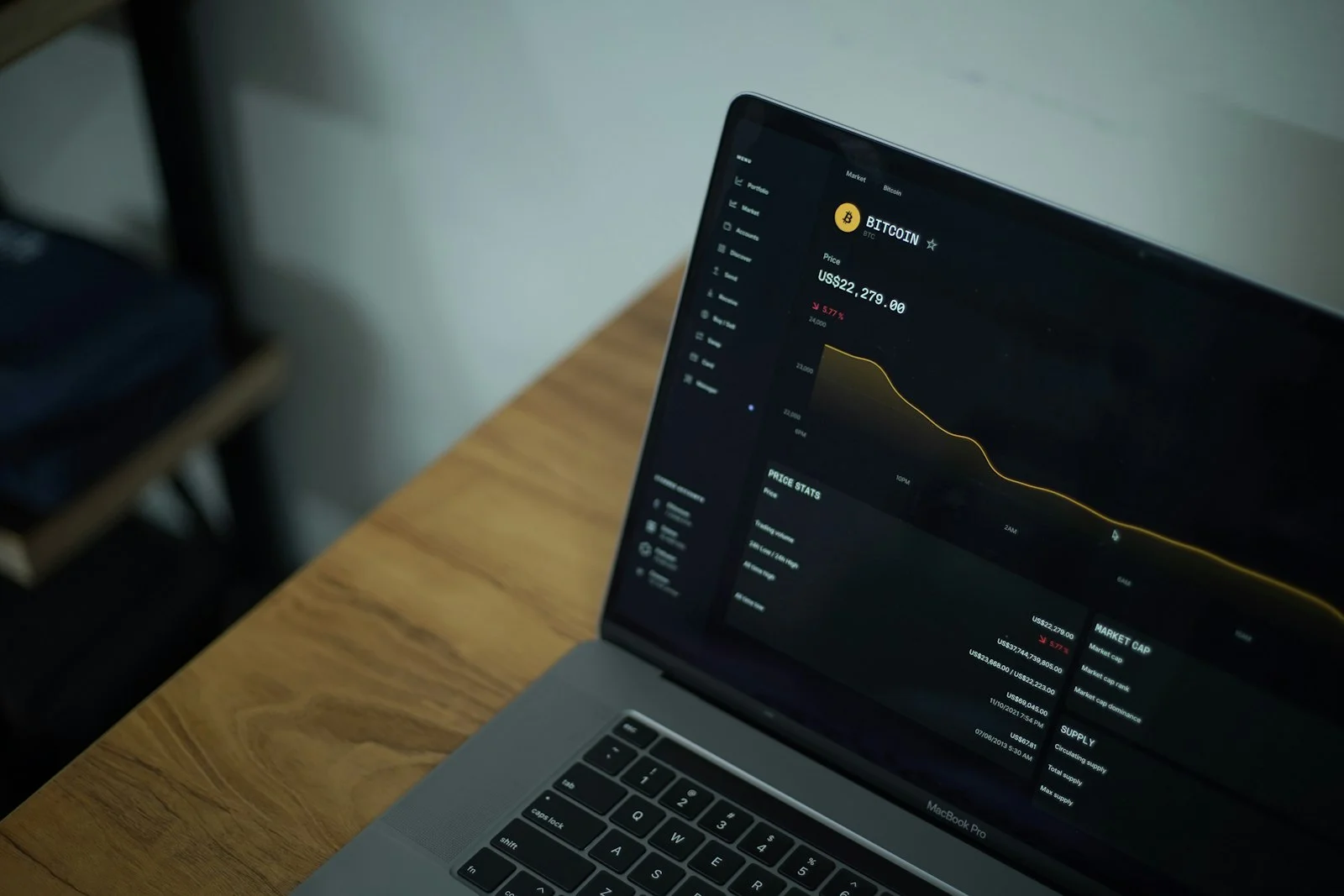
Protocol scarcity is not a promise that market demand will grow. Price is influenced by liquidity, leverage, regulation, macroeconomic conditions, technology, custody events, and collective expectations. Historical performance cannot establish future returns.
What the Lightning Network changes
Lightning is a payment-channel network built around Bitcoin. Participants can open channels, exchange many signed balance updates away from the base chain, and later settle the final outcome on-chain. This can support fast, small payments while keeping base-layer block space limited.
Lightning introduces its own operational trade-offs, including channel liquidity, routing, backups, online availability, and different custody models. It is not a separate coin and it does not replace base-layer settlement.
Strengths and trade-offs
| Property | Potential strength | Trade-off or risk |
|---|---|---|
| Open settlement | Anyone can verify and submit valid transactions | Base-layer throughput is intentionally limited |
| Predictable issuance | Supply rules can be publicly audited | Market price remains volatile and demand-driven |
| Self-custody | Users can control keys directly | Lost keys or exposed backups may be irreversible |
| Public ledger | Transaction history can be independently checked | Privacy is not automatic |
| Proof of work | Rewriting history requires substantial resources | Mining consumes energy and concentrates around economics |
Common misconceptions
- “Bitcoin is anonymous.” Addresses are pseudonymous, while transaction flows are public and can sometimes be linked to identities.
- “A fixed supply guarantees value.” Scarcity is one characteristic; demand and market structure still determine price.
- “Wallets hold coins.” Wallets manage keys; asset state remains recorded by the network.
- “A confirmation makes every payment final.” Reversal becomes harder as confirmations accumulate, but risk tolerance differs by value and context.